Case Study2023
Ghost Fitness
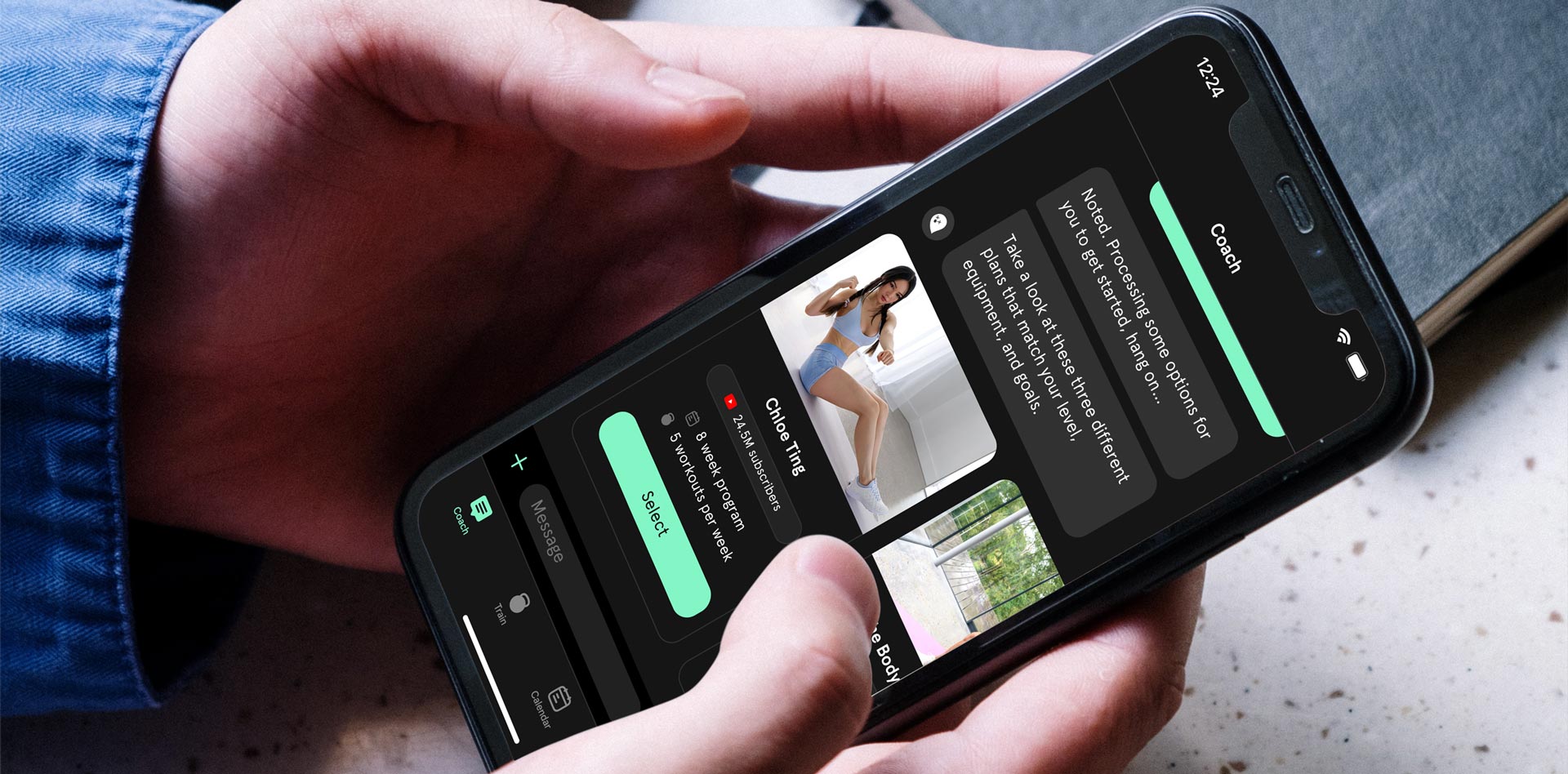
An AI-powered strength training coach, built inside Google. Shut down one week before a critical review.
- Company
- Area 120 @ Google
- Role
- Co-founder
- Scope
- Design, Product Management, Vision Setting, Leadership
The Bet
In 2022, I left a stable role in Google Hardware to co-found a startup inside Area 120, Google’s internal innovation lab. The product was Ghost Fitness. The ambition was YouTube Fitness.
Area 120 was a small, deliberately separate organization working independently of Google’s product roadmaps. The model was pressurized and clarifying: pitch for funding, receive a six-month runway, build a team, ship a product, prove the idea. Graduate into a core product area, or the roles dissolve. Most teams were engineers and product managers. Design founders were rare. I was one of them.
I made the move because my co-founder Matthijs Schellekens was someone I trusted completely, and because the problem was one I’d been circling for years. My interest in strength training and longevity had deepened through my time at Fitbit. Matthijs grew up in a family of fitness entrepreneurs. When we started talking, the fit was obvious. What began as a consulting arrangement became a genuine partnership.
The strategic case was real. An enormous number of people come to YouTube every day to exercise. The platform has no training tools, no coaching, no progression, no way to understand whether what you’re doing is working. Everything is flat content. And YouTube, despite its scale, was facing real competitive pressure from TikTok in the fitness category, with nothing in its roadmap to respond. Our thesis: disrupt YouTube fitness from the inside. Build the coaching and progression layer the platform was missing, using YouTube’s own content as raw material.
What We Learned
Before we designed anything, we spent real time with real people.
Qualitative research was a differentiator for us within Area 120. Most teams didn’t prioritize it. I designed research protocols, ran in-depth interviews with potential users, personal trainers, and content creators, and led in-person sessions at gyms and fitness studios in San Francisco. I conducted mobile ethnographies using Dscout, watching people navigate fitness content in their own homes, on their own time.
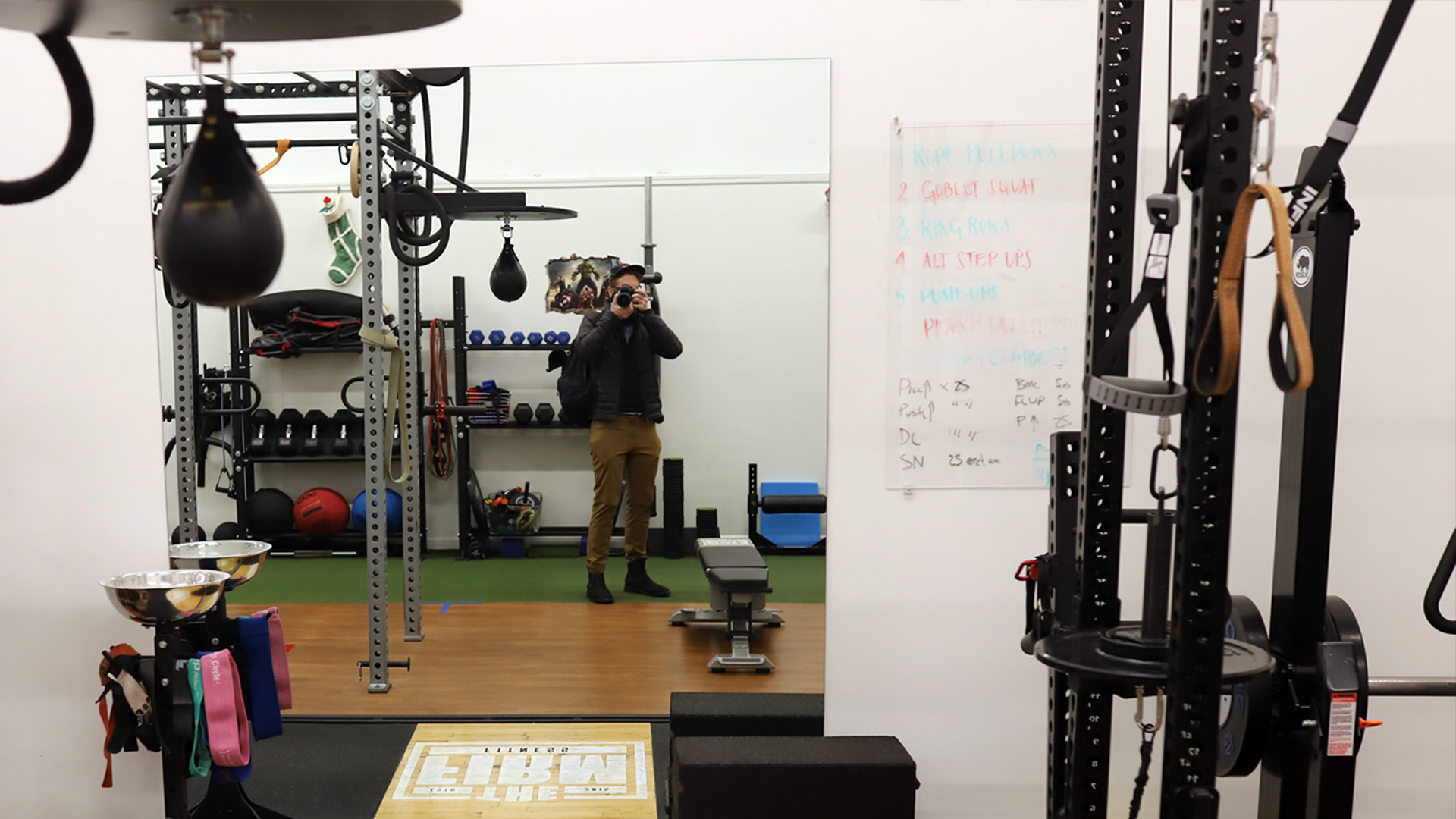
Three things came into focus. Getting started was the real barrier, not motivation. People didn’t know who to trust, what to do given their actual situation, or how to tell if anything was working. Progression — which is how strength training actually produces results — was almost entirely absent from the products people were using. They tracked sets and reps in notes apps. Many still used pen and paper. And YouTube’s fitness ecosystem ran on trust in specific people. Chloe Ting’s 24 million subscribers don’t follow fitness content. They follow her. The relationship between creator and audience was the real product.
That last insight changed our go-to-market as much as our product design. We partnered with creators early, not to replace them but to extend what they could offer. Better tools for the people their audiences already trusted. And a structural advantage no new entrant could replicate.
What We Built
The research gave us a clear organizing principle: help people start with confidence, tell them what to do and when, and keep them progressing without requiring them to figure it out themselves.
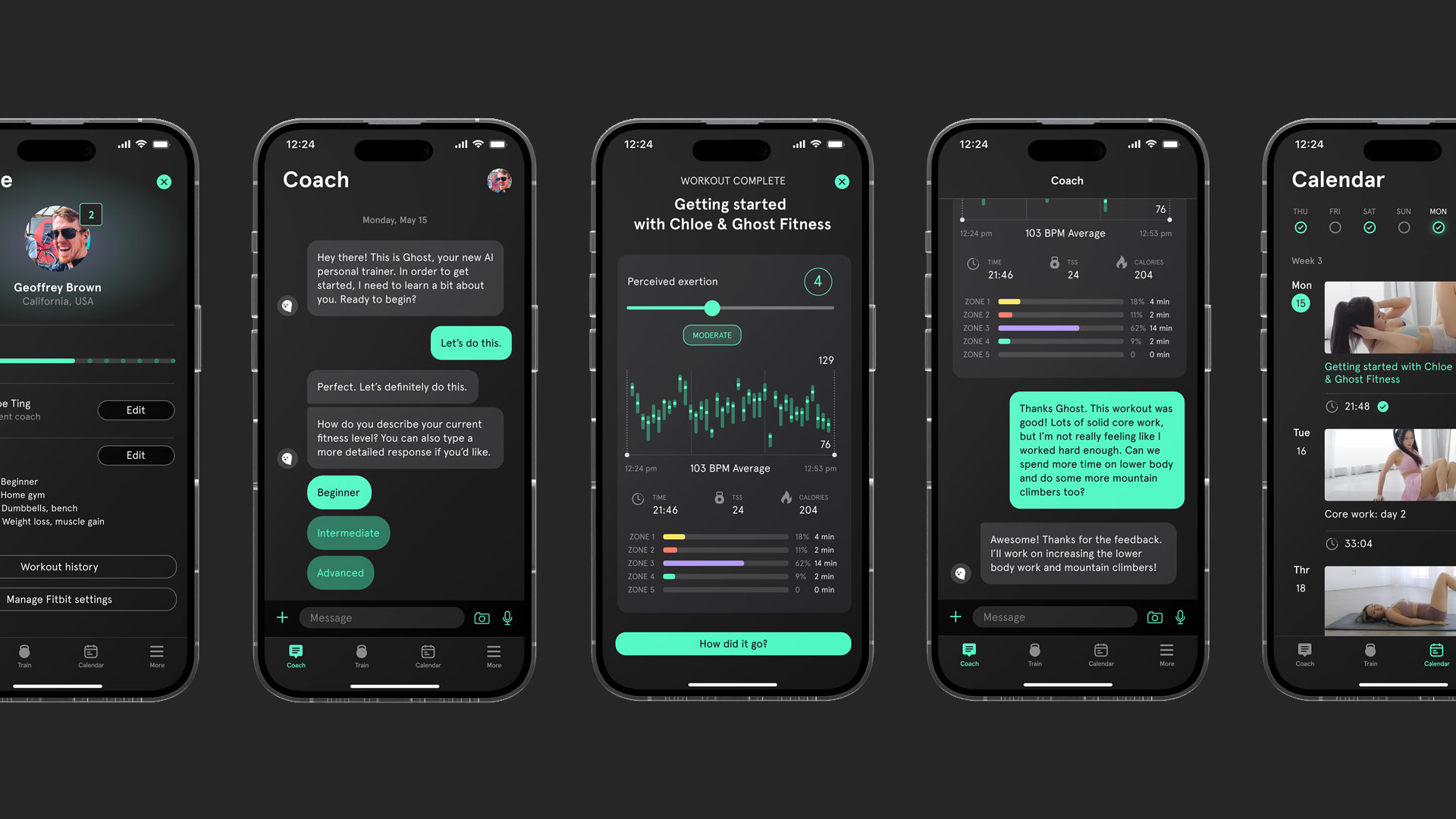
The onboarding experience used a Google LLM to work through users’ goals, making them specific, time-bound, and achievable. Training plans were built from expert-designed modules, then adapted to each user. From there, the LLM functioned as a coach: checking in, answering questions, adjusting workouts based on feedback. All of this was built before ChatGPT made conversational AI feel obvious. Making the case for LLMs in a consumer product inside Google took real work. We got there through prototyping and demonstration.
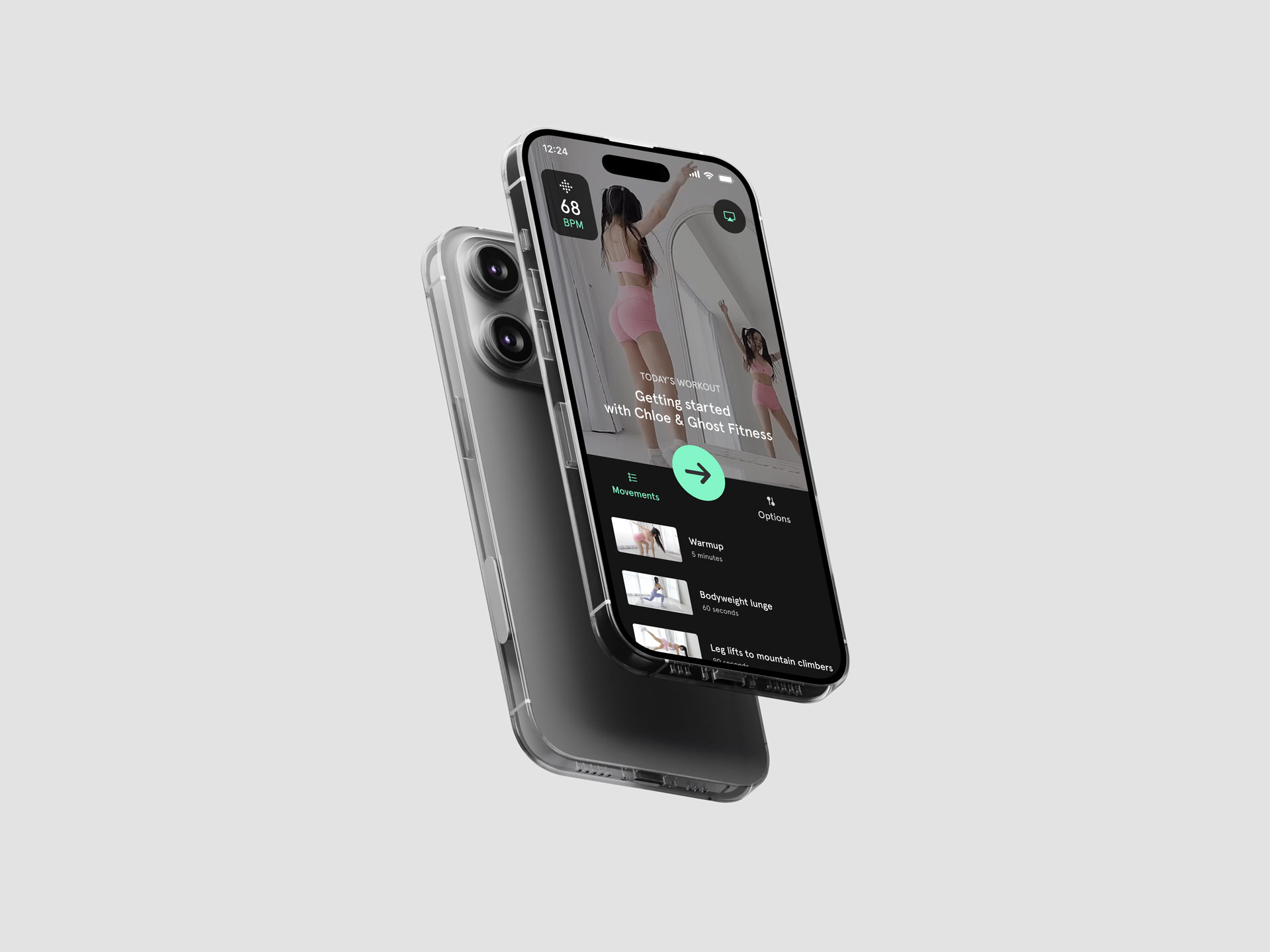
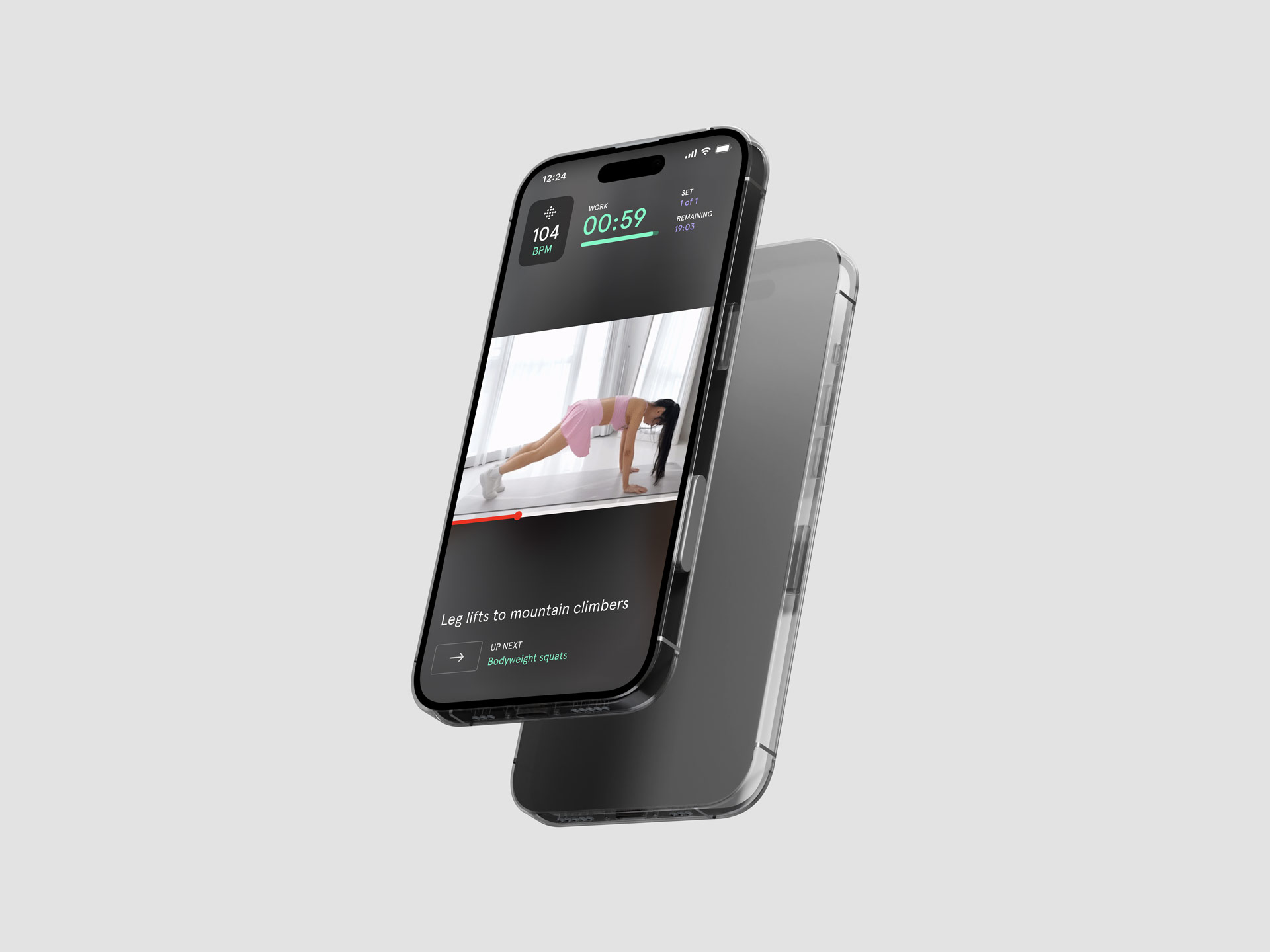
The technically ambitious part was what we called the progression engine. The entire corpus of fitness content on YouTube exists as raw material. We would analyze that library, tag individual exercises across every video on the platform, and use generative models to remix that content into personalized, progressive workouts for each user — specific to their training plan, fitness level, available equipment, and time. Seamlessly stitched together with the relevant training UI layered in. Not a catalog to browse. A workout built for you, mapped to where you are in your program, that changes as you change.
After each session, users gave feedback. The system adjusted. You just had to show up.
Outcomes
In January of 2023, Google shut down Area 120 entirely. Not just Ghost Fitness — every team, every project, every role. One week before a critical review we had been working toward.
By that point we had functional LLM-powered onboarding running on Google’s models. The early architecture of personalized training plan delivery was in place. Dynamic video augmentation was in progress. Our directors were enthusiastic. The Google AI teams were actively promoting our work internally.
The shutdown wasn’t a product failure. It was an organizational decision made above us, for reasons that had nothing to do with Ghost Fitness or its trajectory.
What I took out of it was a sharper instinct for working at the intersection of research and product vision. A real understanding of what it takes to move fast inside a large organization without losing the thread. And a conviction, reinforced rather than shaken, that the products worth building in consumer health are the ones where behavior change isn’t a feature. It’s the whole job.
Team
-
Matthijs Schellekens – Co-founder, GM, Head of Product
-
Geoffrey Brown – Co-founder, Head of Design
-
Cameron Ketcham – Engineering
-
Matt Wong – Engineering
-
Laura Sanford – Design
-
Sivan Hermon – Sponsor, Director of Engineering
Other case studies

Ghost Fitness
Area 120 @ Google

Vive Phone Services
HTC

Airbnb Experiences
Airbnb

Twitter Recap